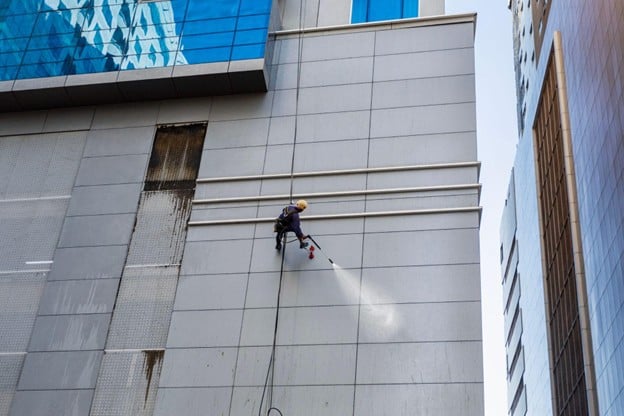
As winter fades and warmer days return, condo communities across Boston begin preparing shared spaces for increased activity. Boston pressure washing plays a key role in removing seasonal buildup caused by snow, ice, salt, and debris, helping restore both safety and overall property appearance.
Months of harsh weather can leave behind more than visible dirt; they contribute to surface wear, create slip hazards, and diminish curb appeal. A proactive spring maintenance approach allows property managers and associations to address these issues efficiently while preparing for increased foot traffic in the months ahead.
Why Boston Pressure Washing is a Core Part of Spring Readiness
Winter residue is more than a cosmetic issue. Salt deposits, grime, and organic buildup can slowly degrade concrete, wood, and stone surfaces if not properly removed. This scenario is where Boston pressure washing plays a vital role in seasonal property care.
It helps:
- Break down and remove embedded dirt and salt residue
• Prevent premature surface deterioration
• Restore the original color and texture of materials
• Eliminate slippery buildup that creates hazards
By integrating pressure washing early in the season, condo communities can avoid more profound maintenance issues later in the year.
High-Traffic Areas That Require Immediate Attention
Certain shared spaces experience significantly more wear and tear than others. Addressing these areas first ensures the most noticeable and impactful improvements.
Priority zones typically include the following:
- Main entrances and exit points
• Sidewalks and internal pathways
• Parking lots, garages, and drive lanes
• Mail areas and frequently used access points
By concentrating Boston’s pressure washing efforts on these locations, we guarantee the restoration of the most visible and heavily used areas first, thereby enhancing both safety and usability.
Safety Considerations in Shared Community Spaces
Safety becomes especially important during seasonal transitions. Leftover algae, mold, and grime can create slippery surfaces that increase the risk of accidents.
Routine pressure washing supports safer environments by:
- Removing algae and mildew that cause slick conditions
• Clearing debris that blocks pathways
• Improving visibility of walking surfaces
• Supporting compliance with safety expectations
The Occupational Safety and Health Administration emphasizes that maintaining clean, hazard-free walking surfaces is essential in shared environments, particularly where foot traffic is high.
Enhancing Community Appearance and Resident Experience
First impressions matter, especially in residential communities. Clean, well-maintained common areas contribute to a more positive living experience and can influence how residents and visitors perceive the property.
Through consistent pressure washing, communities can:
- Restore a fresh, well-kept appearance
• Improve curb appeal across all shared spaces
• Create a more inviting and comfortable environment
• Reinforce a sense of pride among residents
A visually refreshed community often leads to higher satisfaction and stronger overall appeal.
Preparing Outdoor Amenities for Seasonal Use
As spring progresses to summer, outdoor spaces become central to community life. These areas require proper preparation to ensure they are both functional and enjoyable.
Important spaces to address include:
- Courtyards and communal seating areas
• Pool decks and surrounding walkways
• Outdoor recreation zones
• Gathering areas for events or social use
Regular pressure washing ensures these spaces are clean, safe, and ready for increased use throughout the warmer months.
Preventing Long-Term Structural and Surface Damage
Ignoring seasonal maintenance can lead to long-term consequences. Dirt, moisture, and organic growth can weaken materials over time, leading to costly repairs.
By incorporating pressure washing into regular maintenance plans, communities can:
- Extend the lifespan of concrete, wood, and stone surfaces
• Reduce the likelihood of cracks and surface breakdown
• Minimize repair and replacement costs
• Maintain consistent property standards
This preventative approach is far more cost-effective than reactive maintenance.
Coordinating Maintenance for Efficiency and Minimal Disruption
Spring preparation often involves multiple maintenance tasks happening at once. Coordinating these efforts effectively ensures better results with minimal inconvenience to residents.
Best practices include:
- Scheduling cleaning during low-traffic periods
• Communicating timelines clearly with residents
• Combining cleaning with other maintenance tasks
• Ensuring uniform coverage across all shared areas
Including pressure washing in a well-organized plan helps streamline operations and improve overall efficiency.
Supporting Property Value Through Consistent Upkeep
Well-maintained common areas directly impact property value. Clean and safe environments attract and retain residents while reinforcing the long-term appeal of the community.
Consistent pressure washing contributes to:
- Stronger property presentation
• Reduced long-term maintenance costs
• Higher perceived value of the community
• Better overall living conditions for residents
These factors make routine maintenance an essential part of property management.
A Smarter Approach to Seasonal Condo Maintenance
Spring is more than just a seasonal change; it’s an opportunity to reset and prepare for the months ahead. By focusing on safety, appearance, and long-term durability, condo communities can create environments that are both functional and inviting.
With a proactive strategy that includes pressure washing, property managers can ensure that shared spaces remain clean, safe, and ready for increased activity. This thoughtful approach improves day-to-day living and supports the long-term success of the community.