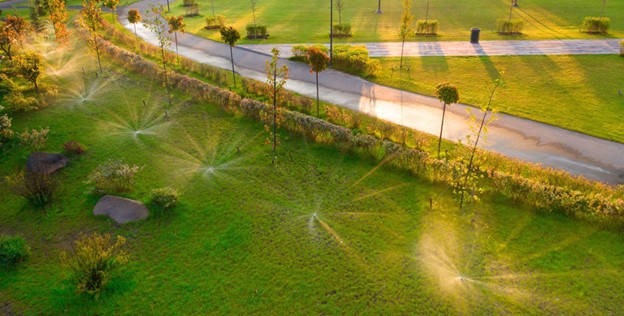
Modern property management is no longer just about aesthetics; lush, green lawns now need to coexist with sustainability, efficiency, and cost-effectiveness. Irrigation sprinkler systems have evolved into intelligent tools that optimize water use while maintaining healthy landscapes for commercial and residential properties, as well as municipal grounds. By integrating technology, automation, and precise design, these systems help property managers and homeowners achieve the perfect balance between performance and conservation.
Why Traditional Sprinkler Systems Fall Short
Many property owners assume that a basic sprinkler setup is sufficient for maintaining lawns or fields. In reality, traditional systems often:
- Apply water unevenly, leaving dry spots or over-saturated areas
- Waste water due to fixed schedules that ignore rainfall or soil conditions
- Require constant manual adjustments, increasing labor and maintenance costs
For complex landscapes such as sports fields, golf courses, municipal parks, and large estates, these inefficiencies can lead to higher expenses, increased maintenance, and less resilient greenery. Smart irrigation sprinkler systems solve these problems by delivering water only where and when it is needed.
How Smart Irrigation Sprinkler Systems Work
Advanced irrigation systems combine hardware, software, and sensors to create precise watering strategies tailored to each property. Key features include:
- Weather-adaptive controllers: Automatically adjust watering schedules based on rainfall and temperature
- Zone segmentation: Separate areas like lawns, flower beds, and high-traffic zones receive customized amounts of water
- Soil moisture sensors: Monitor hydration levels to prevent overwatering and reduce runoff
- Remote monitoring: Allows property managers to track system performance and make adjustments via mobile or web apps
These innovations ensure optimal landscape health while minimizing unnecessary water use, a critical consideration given increasing water restrictions in many areas.
Environmental and Economic Benefits
Smart irrigation sprinkler systems are not just practical; they are environmentally responsible. According to the U.S. Environmental Protection Agency, nearly 30% of household water usage goes to outdoor landscaping, much of which is wasted through inefficient watering practices. Implementing an intelligent system can:
- Reduce water consumption and bills through precise application
- Prevent soil erosion and nutrient runoff
- Support municipal conservation initiatives
- Increase the longevity of lawns, plants, and trees by maintaining optimal hydration levels
For commercial properties, golf courses, and municipal sites, these savings translate into both financial and ecological benefits, demonstrating the dual value of smart irrigation technology.
Optimizing Athletic and Recreational Fields
Sports fields require consistent turf quality for safety and performance. Uneven watering can create weak patches, raise injury risks, and increase maintenance costs. Smart irrigation sprinkler systems address these challenges by:
- Adjusting watering based on turf type, use intensity, and soil composition
- Maintaining uniform soil moisture across large playing surfaces
- Integrating with flow meters and pressure sensors to detect inefficiencies early
- Allowing groundskeepers to monitor and manage systems remotely, reducing manual oversight
With these capabilities, athletic and recreational facilities can maintain premium-quality fields while minimizing labor and water costs.
Irrigation Sprinkler Systems: Maintenance, Longevity, and Risk Management
Even the most advanced irrigation systems require professional installation and periodic maintenance. Tree roots, shifting soil, and wear on mechanical components can impact performance. Regular check-ups and calibration ensure:
- Detection of leaks, clogs, or misaligned sprinkler heads
- Proper integration and calibration of sensors and automation controls
- Maximum water efficiency and system longevity
- Prevention of costly repairs or property damage over time
By combining technology with expert maintenance, property managers and homeowners can ensure that smart irrigation sprinkler systems continue to deliver reliable performance year after year.
Leveraging Data for Strategic Planning
A unique advantage of modern irrigation systems is their ability to collect data on water usage, soil conditions, and landscape performance. This information allows property owners to:
- Identify areas of over- or under-watering
- Optimize watering schedules seasonally
- Plan upgrades or expansions with predictive insights
- Demonstrate sustainability efforts for corporate or municipal reporting
These insights elevate irrigation from a basic maintenance task to a strategic tool for long-term landscape planning. For example, integrating these systems with EPA water-efficiency guidelines helps organizations track and report environmental impact in alignment with federal recommendations.
Future Trends: Automation and Smart Tech
The future of irrigation is increasingly automated, connected, and environmentally conscious. Smart irrigation sprinkler systems are evolving to include:
- Integration with IoT devices for real-time monitoring
- AI-powered predictive watering schedules based on weather forecasts and soil analytics
- Enhanced remote access for multi-site management
- Compatibility with sustainable water sources, such as greywater or rainwater harvesting
These trends position property managers, homeowners, and municipal planners as forward-thinking stewards of their landscapes, leveraging technology for both financial and environmental gains.
Practical Steps for Selecting the Right System
When choosing a smart irrigation sprinkler system, property owners should consider:
- Property type and usage: Tailor systems for lawns, gardens, sports fields, or mixed-use areas
- System flexibility: Ability to segment zones and integrate sensors
- Automation and monitoring capabilities: Remote access and predictive scheduling
- Professional installation and support: Ensure proper setup and ongoing maintenance
Partnering with a reputable service provider ensures the system is customized, efficient, and compliant with local water-use regulations.
Closing Thoughts: Beyond Convenience
Irrigation sprinkler systems are no longer just tools to keep grass green; they are instruments of precision, efficiency, and sustainability. By investing in smart technology, property managers and homeowners can conserve water, reduce costs, protect landscapes, and contribute to broader environmental initiatives.
The benefits extend far beyond convenience: automated, data-driven irrigation empowers property owners to make informed decisions, maintain vibrant landscapes, and demonstrate leadership in responsible water management. As smart irrigation continues to evolve, embracing these solutions now positions properties for long-term success, environmental stewardship, and measurable operational efficiency.